Accelerate depreciation deductions, capture immediate year-one bonus depreciation, and establish Real Estate Professional Status.
See how separating 5-year, 7-year, and 15-year building components injects immediate working capital into your real estate portfolio.
📞 Launch AI Tax Calculator →When commercial or residential rental property is acquired, standard tax accounting depreciates the building over a rigid 27.5-year (residential) or 39-year (commercial) straight-line schedule. A Cost Segregation Study combines engineering and tax accounting to reclassify structural components�such as specialized electrical wiring, plumbing fixtures, flooring, cabinetry, and site improvements�into 5, 7, or 15-year property classes eligible for immediate bonus depreciation.
Every form we prepare undergoes rigorous multi-layer AI compliance verification and human CPA peer review to guarantee zero mathematical errors and full statutory compliance before IRS submission.
What our hybrid CPA and AI specialists deliver when you engage our team for Real Estate Cost Segregation.
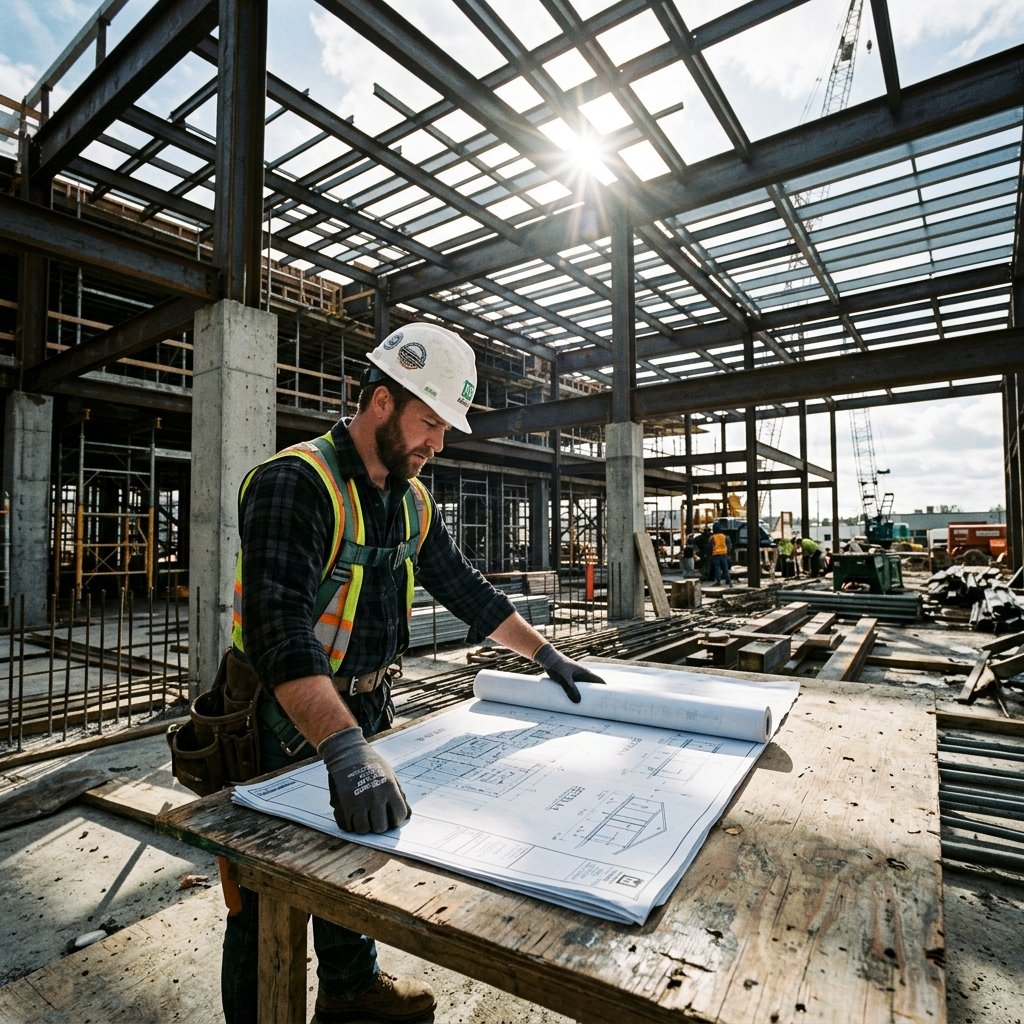
Our AI cost segregation engine ingests architectural blueprints, closing settlement statements (ALTA/HUD-1), and contractor cost breakdowns, applying machine vision to identify depreciable assets and calculate precise engineering cost allocations in a fraction of the time of traditional studies.
Real Estate Professional Status (REPS) audits require proving 750+ hours of active real estate participation. Our digital audit log automatically tracks and categorizes your property management hours with time-stamped geo-verifications to defend your active losses against passive activity rules.
Everything you need to know about our preparation workflow, timelines, and statutory safeguards.
Depending on property type, a cost segregation study typically reclassifies 20% to 40% of the building purchase price into short-life assets. For a $1,000,000 building, this can unlock $200,000 to $400,000 in accelerated depreciation deductions in the very first year.
No! If you purchased or renovated a property in a prior tax year without performing a cost segregation study, we can file IRS Form 3115 (Application for Change in Accounting Method) to claim all missed historical depreciation as a one-time catch-up deduction in the current year without amending prior returns.
Under Treasury Regulation � 1.469-1T(e)(3)(ii)(A), if the average customer stay at your rental property is 7 days or less, the activity is excluded from the definition of a passive rental activity. If you materially participate, depreciation losses can offset active W-2 or business income even without holding REPS status.
Fill out below to schedule a confidential strategy session with a senior CPA specializing in this exact service area.
Fill out below and our tax team will call you back promptly during business hours.